
Does Laser Eye Surgery Really Work? Real Results, Risks and Over-50 Suitability
You’ve seen the adverts: perfect vision in minutes, freedom from glasses forever, life-changing results. But for adults over 50, the reality is more nuanced. After 24 million people worldwide have chosen laser eye surgery, the question isn’t whether it works-it’s whether it will work for you, and what you should realistically expect from your investment. This article examines the latest evidence on laser eye surgery results, age-specific risks, and whether the procedure is genuinely worth considering in your 50s, 60s and beyond.

What the Latest Evidence Shows: Real Success Rates for Laser Eye Surgery
Laser eye surgery boasts strong clinical outcomes across the board. According to peer-reviewed studies and UK ophthalmic data from 2026, approximately 75-80% of patients achieve 20/20 vision (or better) without glasses or contact lenses after a single procedure.
However, this headline figure masks important nuances:
- Perfect vision (20/20 or better): 75-80% of patients
- Functional vision (20/40 or better, legal driving standard): 95% of patients
- Still requiring glasses for some tasks: 20-30% of patients (often for reading or fine detail)
- Significant complications requiring intervention: 3-5% of patients at accredited UK clinics
- Need for retreatment (enhancement): 10-15% within 5-10 years
The good news: these figures are based on laser-corrected refractive error only. They do not account for natural age-related changes to your eye-which brings us to the over-50 reality.
Laser Eye Surgery Results in Over-50s: What Actually Changes
If you’re over 50, you’ll already be dealing with presbyopia-the gradual hardening of your eye’s lens that makes reading and close-work blur. This is not something laser eye surgery can fix. Your laser can correct your distance vision (myopia, hyperopia, or astigmatism), but it cannot restore your eye’s ability to focus on near objects.
This means:
- If you currently wear bifocals or varifocals, laser surgery will remove the need for distance correction but leave you needing reading glasses.
- If you’re already using reading glasses alone, laser surgery won’t change that.
- Some surgeons offer “monovision” correction-setting one eye for distance and one for near. This works for some patients but takes weeks to adapt, and not everyone tolerates it comfortably.
A realistic scenario: You’re 56, short-sighted (myopic), and wear progressive lenses. After laser eye surgery, you’ll see distance clearly without glasses. But you’ll still need reading glasses for your phone, menus, and fine print. You’ve solved one problem but not eliminated spectacles entirely.
If you want to know exactly how the procedure unfolds before you book, our companion step-by-step guide to what to expect from laser eye surgery walks you through every stage from consultation and the day of treatment to recovery and follow-up appointments.
Results Table: Laser Eye Surgery Outcomes by Procedure Type
| Procedure Type | 20/20 Success Rate | Typical Vision Outcome | Suitability Over 50 | Retreatment Rate (5-10 yrs) |
|---|---|---|---|---|
| LASIK (most common) | 76-80% | Clear distance vision; may need reading glasses | Excellent (presbyopia pre-existing) | 10-12% |
| PRK (Photorefractive Keratectomy) | 72-78% | Clear distance; slower healing (1-3 months) | Good (for thin corneas) | 8-10% |
| LASEK (hybrid approach) | 70-76% | Similar to PRK but faster healing | Good (thin or irregular cornea) | 9-11% |
| Wavefront-Guided LASIK | 78-85% | Sharpest quality vision; reduced glare/halos | Excellent (if cornea suitable) | 7-9% |
| Refractive Lens Exchange (for over-50s with presbyopia/cataracts) | 85-90% | Distance and near vision; addresses presbyopia | Best option for 55+ with presbyopia | 3-5% |
Why Refractive Lens Exchange Matters for Over-50s
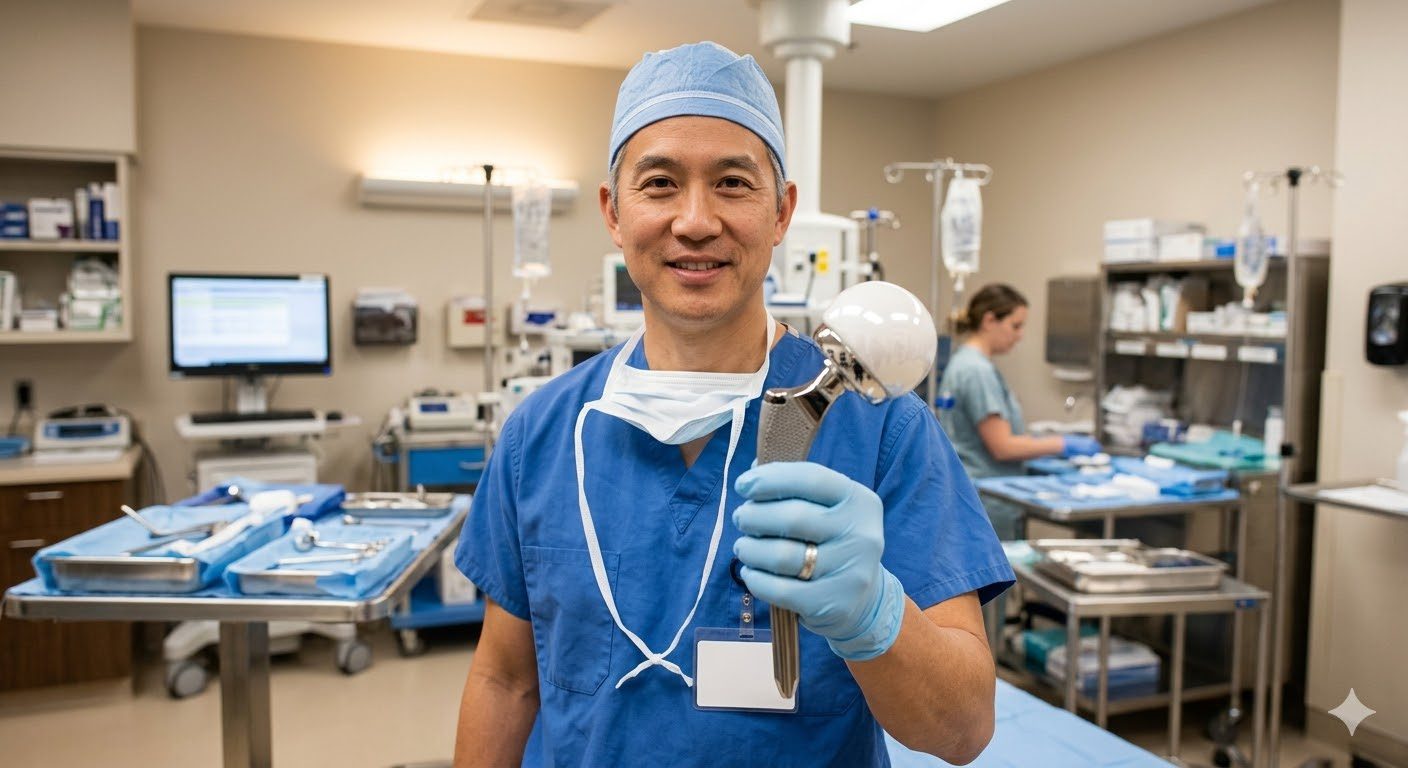
If you’re 55 or older and considering vision correction, laser eye surgery may not be your best option. Refractive lens exchange (RLE) replaces your natural lens with an artificial intraocular lens (IOL) implant. This achieves two things laser surgery cannot:
- It corrects your distance vision (myopia, hyperopia, astigmatism)
- It solves presbyopia by using a premium multifocal or accommodating lens implant, restoring near vision without reading glasses
Success rates for RLE are higher (85-90% achieving 20/20), and it also prevents future cataracts. For over-50s, this is often a more comprehensive solution than laser surgery alone.
For a side-by-side breakdown of how lens replacement and laser eye surgery weigh up against staying in glasses or contact lenses, read our glasses vs contact lenses vs laser eye surgery comparison, which sets out the costs, recovery times, and over-50 suitability of each option.
The Real Risks: What Complications Actually Occur
The original article you read cited alarming figures-up to 40% complication rates at some clinics. Updated 2026 data paints a clearer picture:
- At accredited UK clinics (RCOPHTH-approved): 3-5% experience complications serious enough to affect vision quality or require treatment
- At non-accredited or heavily advertised clinics: Complication rates can reach 10-15% or higher
- Most common side effects: Temporary dry eyes (50-70%), glare or halos around lights at night (10-15%), fluctuating vision in first weeks (common, usually resolves)
- Sight-threatening complications (rare): Corneal ectasia (weakening), infection, flap problems <1%
The Royal College of Ophthalmologists stresses that proper patient selection and experienced surgeons are crucial. Anyone with thin corneas, severe dry eye, or uncontrolled diabetes should avoid laser surgery.
Over-50 Suitability: Who Should-and Shouldn’t-Have Laser Eye Surgery
Laser eye surgery is a good fit if you are over 50 and:
- Short-sighted or have astigmatism (hyperopia alone is less reliably corrected)
- Willing to accept that you’ll still need reading glasses
- Have realistic expectations: clearer distance vision, not “perfect vision forever”
- Are comfortable adapting to monovision (if offered)
- Have stable eye health, no uncontrolled diabetes, no thin cornea
- Want to delay or avoid cataract surgery while improving distance vision now
Laser eye surgery is NOT a good fit if you:
- Are over 55 with presbyopia and cataract risk on the horizon (RLE is better)
- Have dry eye syndrome (surgery may worsen it)
- Have thin corneas (PRK/LASEK may be an option, but with longer recovery)
- Have uncontrolled diabetes or autoimmune conditions (healing complications risk)
- Have realistic expectations about multitasking vision (you will still need glasses for near work)
- Are seeking a one-time, permanent solution (10-15% need retreatment; cataracts may develop in future)
Before you commit, it is worth understanding the financial picture in detail. Our laser eye surgery cost UK 2026 guide compares real prices from named UK clinics, explains what each quoted figure includes, and shows where private finance plans can spread the cost.
Questions to Ask Your Surgeon Before Booking
Not all clinics are equal. Here are the critical questions that separate reputable surgeons from high-street chains:
- Are you registered with the General Medical Council (GMC) and do you hold a specialist qualification in refractive surgery? If the answer is no, walk away.
- What is your complication rate for patients over 50? Demand specific figures, not generic statistics.
- Will I need a full eye health assessment before surgery? This should include corneal topography, pachymetry (corneal thickness), and tear film testing.
- What happens if I’m not a suitable candidate? A good surgeon will turn away inappropriate cases; a sales-focused clinic will not.
- What about presbyopia and reading glasses? How does your clinic address this realistic limitation?
- What is your retreatment policy, and are enhancements included in the fee?
- How many years of refractive surgery experience do you have, and how many procedures per year? Experience matters; high volume indicates skill.
- What is your dry eye prevention and treatment protocol? This is especially important over 50.
- Can you provide references from patients in my age group? Real patient feedback is invaluable.
- What is your policy on follow-up care? Complications can emerge months after surgery; ongoing support is essential.
Realistic Expectations: What Your Vision Will Actually Look Like
Let’s build a realistic scenario. You’re 58, short-sighted, and wear -3.50 prescription single-vision lenses for distance and +2.00 reading glasses for near work.
After LASIK:
- Distance vision: 20/20 without correction (excellent)
- Near vision: Blurry-you’ll still need reading glasses (+2.00 or slightly lower)
- Intermediate (computer screen): Functional, but may benefit from readers
- Dry eye: Mild to moderate for 3-6 months; likely improves but may persist
- Overall impact: One pair of glasses replaced by one pair of reading glasses. Gain: freedom from distance correction.
After Refractive Lens Exchange with multifocal IOL:
- Distance vision: 20/20 without correction
- Near vision: 20/25 without glasses (functional for most tasks)
- Intermediate: Clear for screens, dashboards, and detailed work
- Dry eye: Less likely; no corneal flap involved
- Cataract prevention: Natural lens replaced; cataracts cannot develop
- Overall impact: Freedom from all glasses in most situations. Gain: comprehensive vision solution.
The choice depends on your priorities: do you want distance vision clarity at the cost of persistent reading glasses, or do you prefer a more comprehensive solution now?
Cataract Risk and the Over-50 Horizon
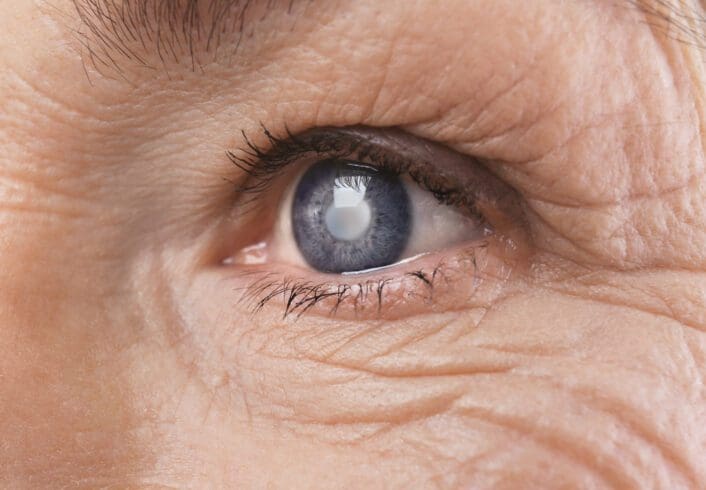
After age 50, cataracts become increasingly common. By age 60, half of all people have some degree of age-related lens opacification. This is important if you’re considering laser eye surgery.
Laser surgery does not cause cataracts, but it also cannot prevent them. If you have laser eye surgery now at age 55 and develop cataracts at age 65, you’ll need cataract surgery later-and you’ll be starting that second procedure with a laser-reshaped cornea, which complicates IOL calculations.
Some surgeons recommend refractive lens exchange instead, especially if you’re already at risk for cataracts (family history, sun exposure, diabetes) or are aged 60+. You’ll address presbyopia, refractive error, and prevent future cataracts in one procedure.
Key Takeaways
- Success rates are strong: 75-80% achieve 20/20 vision, and 95% achieve functional driving vision (20/40 or better).
- Results are realistic, not miraculous: Laser eye surgery corrects refractive error (myopia, hyperopia, astigmatism) but not presbyopia. Over-50s will almost always still need reading glasses.
- Complications are rare at accredited clinics (3-5%): But clinic choice matters hugely. Avoid heavily marketed chains; choose registered ophthalmologists with proven track records.
- Refractive lens exchange may be better for 55+: If presbyopia is already affecting you, RLE with a multifocal IOL offers superior outcomes and prevents future cataracts.
- Ask tough questions before booking: Surgeon qualifications, complication rates, dry eye protocols, and retreatment policies separate good clinics from sales-focused ones.
- Expect a 10-15% chance of needing retreatment within 5-10 years; this is normal and should be discussed upfront.
Is Laser Eye Surgery Worth It?
The short answer: it depends. If you’re short-sighted, your current glasses or contacts significantly limit your lifestyle, you’re willing to accept reading glasses as a trade-off, and you choose an accredited surgeon with strong outcomes, laser eye surgery delivers genuine benefits.
But it is not the magic fix that marketing suggests. Vision improvement is real, but so are the limitations and realistic side effects. Going into surgery with clear-eyed expectations-pun intended-is your best defence against regret.
For adults over 50, consider refractive lens exchange as your primary option if presbyopia is already affecting your quality of life. Discuss both options with a GMC-registered specialist ophthalmologist who does not pressure you toward one procedure over another.
Useful Resources and Sources
- NICE (National Institute for Health and Care Excellence) – Clinical guidelines on refractive surgery and IOL selection
- Royal College of Ophthalmologists (RCOphth) – Surgeon accreditation, patient safety standards, and procedural guidance
- Moorfields Eye Hospital NHS Trust – Leading UK source for refractive surgery information and specialist referrals
- NHS.uk – Laser Eye Surgery Overview – Official NHS information on safety, costs, and suitable candidates
- British Ophthalmological Society – Standards and safety in ophthalmic practice
Frequently Asked Questions
How successful is laser eye surgery in the UK?
UK audits report that 75 to 80% of patients achieve 20/20 vision after LASIK, and around 95% reach functional driving vision (20/40 or better). Results are slightly better for short-sightedness than for long-sightedness or high astigmatism. These figures come from data published by the Royal College of Ophthalmologists and the NHS.
Will I still need reading glasses after laser eye surgery over 50?
Almost certainly, yes. Laser eye surgery corrects refractive errors but cannot reverse presbyopia, the age-related loss of near focus that most people notice in their mid-40s. Even a perfect LASIK outcome will leave you needing reading glasses for small print by your mid-50s unless you opt for monovision correction or refractive lens exchange instead.
How long do laser eye surgery results last?
For stable short-sighted eyes, 85 to 90% of patients retain their corrected vision 10 years later. Around 10 to 15% experience some regression and may need a retreatment within five to ten years. Cataracts, which develop in most people after 65, can also change your vision regardless of prior laser surgery.
What are the most common side effects after laser eye surgery?
Dry eyes affect up to 50% of patients in the first three to six months and usually settle with preservative-free drops. Night-time halos, starbursts, and glare are reported by 20 to 30% of patients but are mild in most cases. Serious complications such as infection or vision loss are rare, occurring in under 1% of procedures at accredited UK clinics.
Explore More in the Laser Eye Surgery Guide
If you found this helpful, our companion guides cover the next decisions you will face:
- Compare real NHS availability and private pricing for every procedure in our Laser Eye Surgery Cost UK 2026 guide.
- If you are weighing up whether to book, read our step-by-step guide to what to expect from laser eye surgery.
- Not sure if surgery is right for you? Our glasses vs contact lenses vs laser eye surgery comparison.
For a wider conversation with adults 50+ making the same decisions, join our Best of Health community on Facebook.
Disclaimer
This article is for information only. The outcomes, risks, and suitability of laser eye surgery vary between individuals. Always consult your GP or a registered ophthalmologist before making any decision about refractive eye surgery. Do not rely on this information alone to make medical decisions. Your eye health assessment must be conducted in person by a qualified eye care professional.