
Laser Eye Surgery Cost UK 2026: LASIK, LASEK and Lens Replacement Prices Explained
Around 120,000 people in the UK have laser eye surgery every year, making it one of the most performed procedures in the world. Yet many people aged 50 and over delay this decision because they don’t understand the true costs involved.
While high-street clinics often advertise headline prices starting from £595, the reality is that most patients pay between £3,000 and £5,000 for both eyes once advanced technology and aftercare are included. This guide breaks down the real prices for 2026, compares top UK providers, and helps you decide whether private laser eye surgery makes financial sense for your situation.

Whether you’re considering LASIK to ditch your reading glasses or exploring lens replacement because of presbyopia or cataracts, you’ll find detailed cost comparisons, financing options, and what to expect at each major UK clinic. We’ll also explain why the NHS covers laser eye surgery only in rare cases-and what that means for your wallet.
Laser Eye Surgery Cost in the UK: Quick Price Guide
Private laser eye surgery costs between £1,200 and £3,750 per eye in 2026, depending on the procedure, clinic, surgeon expertise, and your individual prescription. Because almost all patients require surgery on both eyes, it is vital to look at the total combined cost.
Most clinics offer free initial consultations and free aftercare. Many also provide interest-free finance options over 6-24 months, which can make costs much more manageable.
| Procedure Type | Cost Per Eye | Typical Cost (Both Eyes) | Best For Over 50s? |
|---|---|---|---|
| LASIK (bladeless) | £1,695-£3,050 | £3,390-£6,100 | Moderate-may still need reading glasses for presbyopia |
| LASEK (all-laser) | £1,495-£2,450 | £2,990-£4,900 | Yes-suitable for thin corneas; common in over-50s |
| SMILE (ReLEx) | £2,495-£3,250 | £4,990-£6,500 | Yes-minimally invasive; fastest healing |
| PRK | £1,100-£2,175 | £2,200-£4,350 | Limited-only for low prescriptions |
| Lens Replacement (RLE) | £3,000-£4,500 | £6,000-£9,000 | Excellent-corrects presbyopia and prevents cataracts |
| Implantable Collamer Lens (ICL) | £2,500-£3,500 | £5,000-£7,000 | Moderate-reversible but less common for presbyopia |
Prices current as of March 2026. Always confirm final figures with individual clinics, as costs vary by prescription complexity and technology used.
Watch: Laser Eye Surgery Cost UK 2026 – The 6-Minute Guide
In this short cinematic overview, we walk you through what laser eye surgery really costs in the UK in 2026, compare LASIK, LASEK and lens replacement, and explain why prices vary so much between providers. It is a quick way to orient yourself before reading the full guide below.
Leading UK Laser Eye Surgery Clinics: 2026 Pricing Comparison
Not all laser eye surgery providers are equal. Below, we’ve compared eight of the UK’s largest and most established clinics-all offering free consultations and aftercare, but with different pricing, locations, and specialisms.
| Clinic | UK Locations | LASIK Price (Per Eye) | Free Aftercare | Finance Available |
|---|---|---|---|---|
| Optical Express | 12 | £1,195-£2,995 | Yes | From £500 deposit; 10 months interest-free |
| Optimax | 23 | £1,695-£2,995 | Yes | 10% deposit; 12 months interest-free |
| Ultralase | 20 | £1,695-£2,995 | Yes | 10% deposit; 12 months interest-free |
| Moorfields Eye Hospital | 1 (London) | £2,500-£3,500 | Yes | 6, 9 or 10 months interest-free |
| Centre for Sight | 3 | £2,450-£2,850 | Yes | 20% deposit; 24 months interest-free |
| London Vision Clinic | 1 | £2,900-£3,750 | Yes | 10% deposit; 24 months interest-free |
| Optegra | 9 | £1,795-£2,495 | Yes | 10% deposit; 24 months interest-free |
| Focus Clinic | 1 | £2,400-£3,750 | Yes | 10% deposit; 12 months interest-free |
Prices accurate as of March 2026. Contact clinics directly for the most current costs, special offers, and exact procedures available at your nearest location.
Private Laser Eye Surgery Providers: UK Directory 2026
Compare the UK’s leading laser eye surgery providers at a glance. See current self-pay prices, locations, and key features to help you choose the right clinic.
Directory note: All prices are self-pay guide prices as of early 2026 and may vary by prescription, technology, and individual circumstances. Always contact providers directly for an official written quote. Sources: Individual provider websites, NICE, NHS.uk.

Key Takeaways: Laser Eye Surgery Costs
- While promotional prices say £595, standard LASIK/LASEK effectively costs £2,600-£4,000 for both eyes in the UK.
- LASIK and LASEK dominate the market; SMILE (ReLEx) is newer, faster-healing, and more expensive.
- Lens replacement (RLE) at £6,000-£9,000 for both eyes is often a much better investment for over-50s with presbyopia or early cataracts.
- Most clinics offer free consultations, free lifetime aftercare, and interest-free finance over 6-24 months.
- The NHS only funds laser eye surgery in rare medical situations (risk of blindness); elective surgery is always private.
- Surgeon qualification and clinic reputation matter far more than hitting the lowest price.
Why Laser Eye Surgery Cost Varies So Much
If you’ve shopped around, you’ve probably noticed wild variations in price-from £595 at some clinics to £3,750 at others. That’s not a mistake. Here’s what drives the difference:
The Truth About the “From £595” Price Myth
You have likely seen national chains advertising laser eye surgery “From £595 per eye”. It is crucial to understand that almost no one pays this price. These entry-level promotional prices are exclusively reserved for patients with incredibly minor prescriptions (often under -1.50 dioptres) and usually rely on older, non-wavefront technology. Once your specific prescription, 3D eye mapping, and premium lasers are factored in, standard quotes quickly jump to £1,500+ per eye.
Type of Procedure
LASIK (laser-assisted in situ keratomileusis) is the market standard and tends to be cheaper. LASEK (laser-assisted epithelial keratomileusis) suits thinner corneas. SMILE (small incision lenticule extraction), also called ReLEx SMILE, uses newer technology with faster healing and costs more.
Surgeon Experience and Reputation
A surgeon on the General Medical Council Specialist Register in Ophthalmology with 20+ years’ experience will charge more than a newer consultant. That experience translates to lower complication rates and better vision outcomes-especially critical if you’re over 50.
Technology Used
Wavefront mapping (personalised eye mapping technology) adds precision but may cost extra. The laser platform itself-whether it’s top-tier from Alcon, Carl Zeiss, or Bausch + Lomb-affects the final bill.
Your Prescription Complexity
Higher prescriptions or astigmatism may require additional treatment time or more advanced technology, raising costs. A simple myopia case will always be cheaper than complex astigmatism or hyperopia.
Aftercare and Location
Clinics in London or Manchester charge more than those in smaller cities. Some include comprehensive aftercare; others charge for extra visits.
Laser Eye Surgery Cost for Over-50s: Why You May Need a Different Approach
If you’re reading this article and you’re over 50, standard laser eye surgery may not be your best answer. Here’s why:
Presbyopia: The Reading Problem After 50
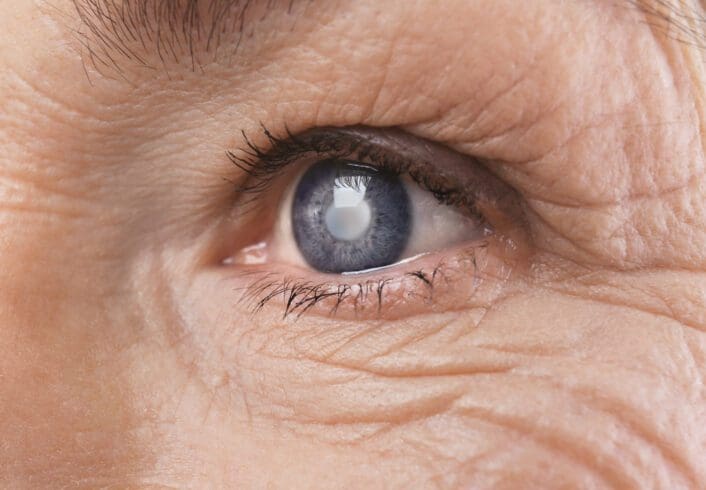
Around age 50, your eye’s lens hardens, making it harder to focus on close objects-even if you’ve had perfect distance vision all your life. LASIK or LASEK can correct your distance vision, but they can’t fix presbyopia. You may still need reading glasses after the surgery.
Some surgeons offer “monovision” LASIK, where they deliberately under-correct one eye for close vision. This works for some people; others find it unsettling.
Lens Replacement (RLE) Might Be Your Answer
Lens replacement surgery (refractive lens exchange) costs £6,000-£9,000 for both eyes but offers unique benefits for the over-50 cohort:
- Corrects both distance and near vision (with multifocal intraocular lenses).
- Prevents cataracts from developing later in life.
- If you already have early cataracts, you’re correcting two problems at once.
- Results are permanent and stable.
Some people aged 50-60 with low prescriptions find standard LASIK sufficient. Others with stronger prescriptions or presbyopia prefer lens replacement. A thorough consultation will clarify which suits you.
Consider Your Eye Health Too
Age-related eye conditions like macular degeneration, glaucoma, or retinal issues may disqualify you from laser eye surgery altogether. Your surgeon will screen for these during the consultation.
Is Laser Eye Surgery Available on the NHS?
The straightforward answer: no, not for standard vision correction. The NHS only funds laser eye surgery in rare circumstances:
- The condition would cause blindness if left untreated.
- Blood vessels have been damaged and need corrective surgery.
- Following a specific medical injury or trauma.
Routine laser eye surgery for myopia, hyperopia, or astigmatism-even if you’re over 50 and struggling with reading glasses-is classified as elective and is not available on the NHS. That means the full cost falls to you.
What about health insurance? Private health insurance rarely covers laser eye surgery, as it’s an elective procedure. Some insurers may make exceptions if you have severe allergies preventing contact lens wear or if the surgery is medically necessary to prevent blindness. Check your policy or ring your insurer directly.
Payment Plans and Finance Options: Making Laser Eye Surgery Affordable
Almost every UK laser eye surgery clinic offers interest-free finance, making the high upfront cost much more manageable on a monthly basis.
Example: What Does 0% Finance Actually Look Like?
If you are quoted a standard price for standard LASIK on both eyes, your repayment plan over 10 months will typically look like this:
- Total Cost (Both Eyes): £3,000
- Required Deposit (10%): £300
- Remaining Balance to Finance: £2,700
- Monthly Payment (10 Months @ 0% APR): £270 per month
Note: Extending finance terms up to 36 or 48 months usually incurs an APR of around 11.5%, which will increase your total amount payable.
Finance Options by Clinic (2026)
- Optical Express: From £500 deposit; 10 months interest-free.
- Optimax, Ultralase, Focus Clinic: 10% deposit; 12 months interest-free.
- Optegra, Centre for Sight, London Vision Clinic: 10-20% deposit; 24 months interest-free.
- Moorfields Eye Hospital: Flexible terms over 6, 9, or 10 months interest-free.
Money-Saving Tips
- Book your consultation in January or February; clinics often run New Year promotions.
- Ask about package discounts for both eyes (some clinics offer a discount on the second eye).
- Check whether your employer offers an eyecare benefit or subsidy through a health cash plan.
- Which? members sometimes receive negotiated discounts at partner clinics.
What to Expect: Laser Eye Surgery Step-by-Step
Before Surgery: The Consultation
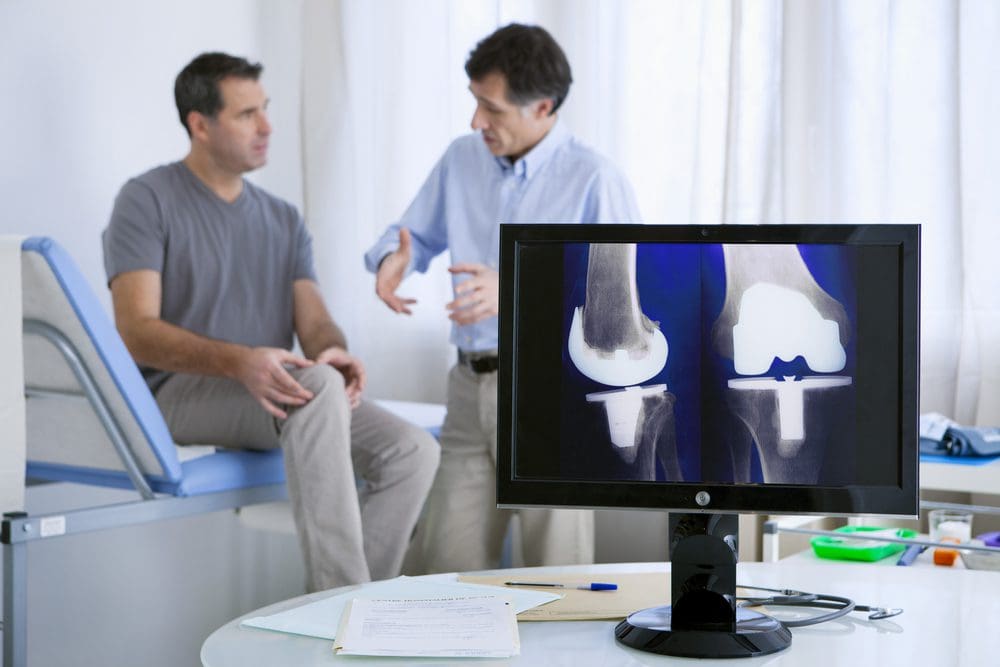
Your first consultation should be free at all major clinics. The surgeon will:
- Measure your prescription and eye pressure.
- Check corneal thickness and shape (corneal topography).
- Assess whether you’re a suitable candidate.
- Explain which procedures you qualify for and the associated costs.
- Discuss realistic outcomes and potential risks.
You may have to wait days or weeks between consultation and surgery while your eyes are measured and assessed. Don’t rush this stage-it’s your safety window.
On Surgery Day
The procedure itself takes less than 10 minutes per eye. You’ll be given numbing eye drops, positioned under the laser, and the surgeon will make precise corrections to your cornea using a laser. You’ll feel pressure but no pain. Most patients report seeing improved vision within hours; full stabilisation takes weeks.
After Surgery: The Recovery Timeline
- First 24 hours: Blurred vision, mild discomfort, watering, and light sensitivity are normal. You’ll wear protective eye shields. Don’t drive, swim, or touch your eyes.
- First week: Vision improves daily. Avoid makeup, swimming, and strenuous exercise. Dry eyes are common-use prescribed lubricating drops hourly.
- First month: Most patients drive safely within 1-2 days. You can resume normal activities. Avoid contact sports and swimming for 2-4 weeks.
- 3-6 months: Your vision fully stabilises. Dry eyes should settle. You’ll have a final check-up to confirm the correction is stable.
Plan for at least 2-3 days off work if your job involves screen time or requires perfect vision (e.g., precision work or driving).
Risks and Side Effects: What Really Happens After Laser Eye Surgery
Complications are rare (less than 5% of cases), but you must understand what can go wrong.
Common Short-Term Side Effects
- Dry eyes: The most frequent side effect. Studies show 90% of patients experience dry eyes in the first few days; this drops to 60% at one month. Usually resolves within 3-6 months with lubricating drops.
- Light halos or glare: Occurs in about 20% of cases. Typically fades after a few weeks; rarely persists long-term.
- Night vision problems: Some patients report difficulty seeing in dim light initially. Usually temporary.
- Feeling of grittiness: Your eye shields will prevent you rubbing your eyes, but the sensation of a foreign body is normal and resolves in days.
Serious But Rare Complications
- Infection: Risk is approximately 1 in 4,000. Treatable with antibiotics if caught early.
- Corneal ectasia: Weakening of the cornea that can cause blurred vision months or years later. Risk is reduced with newer technology and careful patient selection.
- Regression: Your vision gradually drifts back towards your original prescription. Affects roughly 10-15% of patients and can usually be corrected with an enhancement procedure (often charged separately at £400-£800).
- Under- or over-correction: Occasionally the laser doesn’t correct your vision to the target. Some patients still need glasses for distance or reading after surgery.
Your surgeon should discuss these risks openly and provide statistics specific to your prescription. If they don’t, it’s a red flag.
How to Choose Your Laser Eye Surgery Clinic and Surgeon
The lowest price is not your friend here. Laser eye surgery is irreversible, so choosing the right clinic and surgeon is more important than saving £500.
Essential Checks Before Booking
Surgeon Qualifications
Your surgeon must be on the General Medical Council (GMC) Specialist Register in Ophthalmology or hold a Certificate in Refractive Laser Surgery (CertRLS). Don’t be shy about asking-request their credentials in writing. If they hesitate or refuse, walk away.
Clinic Accreditation and Insurance
Check whether the clinic is accredited by the Care Quality Commission (CQC) or equivalent regulatory body. Confirm they carry professional indemnity insurance-this protects you if something goes wrong.
Patient Reviews and Success Rates
Look for independent reviews on Trustpilot, Google, or Which?. Ask the clinic directly for their success rates for your specific prescription. Reputable clinics will provide this data openly.
Location and Convenience
You’ll need to visit for a consultation, surgery day, and at least 2-3 follow-up appointments. Choose a clinic near your home or workplace to reduce travel burden.
Questions to Ask Your Surgeon
- Are you on the GMC Specialist Register or hold a CertRLS? (Ask to see evidence.)
- How many laser eye surgeries have you performed, and what’s your complication rate?
- What’s the success rate for my specific prescription and age?
- Which laser platform will you use, and why is it right for me?
- What happens if I need an enhancement or correction? Is that included in the price, or charged separately?
- What’s your policy if I’m unhappy with the result?
- Can I speak to past patients who had the same procedure?
- Are there any hidden costs I should know about (e.g., wavefront mapping, aftercare visits)?
- What is your refund policy if I change my mind before surgery?
- Do you cover me if something goes wrong (e.g., infection, regression) within the first year?
Should You Travel Abroad for Cheaper Laser Eye Surgery?
Turkey, Poland, and other countries advertise laser eye surgery for £300-£800 per eye-a fraction of UK prices. It’s tempting, but the risks are real:
- Regulation: Surgeons abroad aren’t regulated by the GMC. You have limited recourse if something goes wrong.
- Follow-up care: If you develop complications months after returning to the UK, your UK eye doctor may be reluctant to manage problems they didn’t create.
- Standards: Technology, hygiene, and post-operative protocols vary widely. Some clinics are excellent; others cut corners.
- Travel costs and time: You’ll need to stay abroad for several days and return for check-ups. Factor in flights, accommodation, and time off work.
Unless you’re confident about the clinic’s reputation and willing to accept higher risk, the UK’s regulated, accessible clinics are worth the extra cost for peace of mind.
Laser Eye Surgery vs Glasses and Contact Lenses: When Does It Make Financial Sense?
If you think £3,000 is expensive for laser eye surgery, it is worth looking at the lifetime cost of doing nothing. Over a 10-year period, laser eye surgery often breaks even compared to traditional eyewear. Here is the math:
- The Cost of Glasses: Buying a £250 pair of glasses every 2 years, plus prescription sunglasses, and a £25 eye test every two years will cost you roughly £1,500 – £2,000 over 10 years.
- The Cost of Contact Lenses: Daily disposables or monthly lenses, plus cleaning solutions and check-ups, cost roughly £40 a month. Over 10 years, that adds up to a staggering £4,800.
- Laser eye surgery: An upfront cost of £3,000 – £4,000 (both eyes) breaks even within 6 to 10 years for contact lens wearers.
Add in the convenience of waking up with clear vision, swimming or playing sport without worrying about glasses, and the quality-of-life improvement for many people justifies the upfront cost-particularly if you’re over 50 and might benefit from lens replacement that lasts the rest of your life.
Useful Resources and Sources
For reliable, up-to-date information about laser eye surgery costs, regulations, and safety:
- NHS.uk – Laser Eye Surgery Information – Official NHS guidance on indications, risks, and when you might be eligible.
- NICE (National Institute for Health and Care Excellence) – Evidence-based guidance on refractive surgery procedures.
- Royal College of Ophthalmologists – Professional standards and patient resources for eye care in the UK.
- Which? Magazine and Website – Independent consumer reviews of UK laser eye surgery clinics and patient experiences.
- General Medical Council (GMC) Register – Search to verify your surgeon’s specialist qualifications.
- UK Refractive Surgery Council – Industry standards and accreditation for clinics.
Frequently Asked Questions
How much does laser eye surgery cost in the UK?
Laser eye surgery costs vary by procedure and provider. LASIK typically costs £1,000 to £2,500 per eye. LASEK and PRK cost £800 to £2,000 per eye. Lens replacement surgery (RLE) costs £2,500 to £4,500 per eye. Premium wavefront-guided or bladeless treatments cost more. Many clinics offer 0% finance. Always compare what is included – some quotes exclude aftercare or enhancement surgery.
Is laser eye surgery suitable for over 50s?
LASIK and LASEK are effective for correcting distance vision in over-50s, but they do not prevent age-related presbyopia (difficulty reading up close) or cataracts. For many adults over 50, refractive lens exchange (RLE) may be a better option as it replaces the natural lens with a multifocal artificial lens, correcting both distance and near vision and preventing future cataracts.
Is laser eye surgery available on the NHS?
Laser eye surgery is not routinely available on the NHS as it is considered an elective procedure. The NHS may fund it in exceptional circumstances, such as when glasses or contact lenses cannot adequately correct your vision due to a medical condition. In practice, the vast majority of people pay privately for laser eye surgery.
How long does laser eye surgery last?
For most people, the results of LASIK and LASEK are permanent for distance vision correction. However, your eyes continue to age naturally, so you may still develop presbyopia (reading difficulty) in your late 40s or 50s and cataracts later in life. Around 5 to 10% of patients need an enhancement (top-up) procedure within 10 years. Many clinics include free enhancements in their lifetime care packages.
What are the risks of laser eye surgery?
Laser eye surgery is generally very safe, with serious complications occurring in fewer than 1 per cent of cases. Common temporary side effects include dry eyes, glare, halos around lights, and light sensitivity, which usually resolve within three to six months. Rare complications include infection, corneal flap issues (LASIK), and under- or over-correction. Choosing an experienced surgeon and a reputable clinic significantly reduces risk.
The Decision Is Yours
Few decisions after 50 change your daily life as profoundly as choosing to correct your vision. Reading a menu without fumbling for glasses, recognising a friend across the street, swimming and cycling without compromise – these everyday moments are made richer by confident, clear sight.
The right procedure is the one that fits your eyes, your lifestyle, and your long-term health – not the one with the loudest advertising. Just as importantly, the right surgeon is the one who answers every question openly, explains the trade-offs honestly, and treats your sight with the care it deserves.
Take your time. Book two consultations. Compare what matters: surgeon experience, clinic accreditation, lifetime aftercare. If your eyes are already showing early signs of presbyopia or cataracts, seriously weigh up refractive lens exchange alongside LASIK – the higher price may spare you a second procedure in your 60s or 70s. Your sight is worth every question, every second opinion, and every careful pound spent.
Where to go next:
- Read our companion guide to real-world laser eye surgery results for over-50s to see what outcomes actually look like.
- See what to expect on the day of laser eye surgery, from consultation through recovery.
- Hear real experiences from other over-50s in our Best of Health Facebook community.
DISCLAIMER: This article is for information only and should not be taken as medical advice. Laser eye surgery is not suitable for everyone, and only a qualified ophthalmic surgeon can determine whether you’re a candidate after a thorough examination. Always consult your GP or a qualified healthcare professional before making any decisions about eye surgery. Prices and clinic information are current as of March 2026; contact clinics directly to confirm latest costs, availability, and services. Your individual vision correction needs, medical history, and eye health may affect both cost and suitability.