
Sensitive Teeth Causes and Treatment: A Complete Guide for Adults Over 50
If biting into ice cream or sipping hot tea makes you wince, you’re not alone. Sensitive teeth cause millions of people across the UK to avoid their favourite foods and drinks. For adults over 50, tooth sensitivity becomes increasingly common as enamel thins and gums recede with age.
But the good news is clear: sensitive teeth causes and treatment options are well understood. Whether you prefer NHS care or private alternatives, effective remedies exist to ease discomfort and restore your quality of life. This guide explores why your teeth hurt, what causes the problem, and which treatments work best at each stage of severity.
Why Do Teeth Become Sensitive as You Age?
Tooth sensitivity typically develops in adults over 40. Several age-related changes make your teeth more prone to pain when exposed to cold, heat, or acidic substances.
The first culprit is enamel wear. Your tooth enamel-the hard, protective outer layer-gradually thins over decades of use. Unlike skin, enamel cannot repair itself. Once it wears away, the softer dentine beneath becomes exposed. Dentine contains tiny hollow tubes that connect to the nerve inside your tooth. When these tubes are exposed, temperature changes and acidic foods trigger pain directly.
Gum recession is equally significant. Healthy gums sit snugly around your tooth and protect the root. Over time, gums recede due to aggressive brushing, gum disease, or simply age. When the root surface becomes exposed, it lacks the protective enamel found on the crown. Roots are far more sensitive, so even mild triggers cause sharp pain.
Our guide to NHS vs private dentist costs compares NHS and private dentist costs side by side, with real UK prices for every common treatment.
Watch: Sensitive Teeth After 50 – Causes, Remedies and Treatment Costs
This cinematic overview explains why tooth sensitivity increases after 50, the most effective home remedies, and how NHS and private treatment costs compare from 50 to 200 pounds per session.
Main Causes of Sensitive Teeth Causes and Treatment Needs
Enamel Erosion

Acidic foods and drinks accelerate enamel wear. Fizzy soft drinks, citrus fruits, wine, vinegar-based foods, and sports drinks all erode enamel over time. The acid softens the surface, making it more likely to wear away during brushing. If you consume acidic substances daily, your enamel thinning accelerates dramatically.
Aggressive Brushing
Hard-bristled toothbrushes and vigorous scrubbing wear away enamel and damage the gum line. Many people brush too hard, believing they need to “scrub” their teeth clean. In reality, gentle, circular motions for two minutes are far more effective. Your dentist can show you the correct technique.
Teeth Grinding (Bruxism)
Many people grind their teeth at night without realising. This habit wears enamel flat and can expose the sensitive dentine beneath. Stress, sleep apnoea, and misaligned teeth increase grinding risk. You may notice worn tooth edges, jaw pain, or headaches in addition to sensitivity.
Gum Disease
Gingivitis and periodontitis (gum disease) cause gums to recede, exposing the root surface. Plaque and tartar build-up irritate the gums, causing them to pull away from teeth. Early gum disease is reversible with improved oral hygiene and professional cleaning.
Tooth Decay and Cavities
Cavities expose the inner layers of your tooth, triggering sensitivity. Decay around the gum line is especially common in older adults and often goes unnoticed until pain develops.
You may also find our guide to 6 ways to help ease sensitive teeth helpful.
Sensitive Teeth Causes and Treatment: At-Home Remedies
Switch to Desensitising Toothpaste
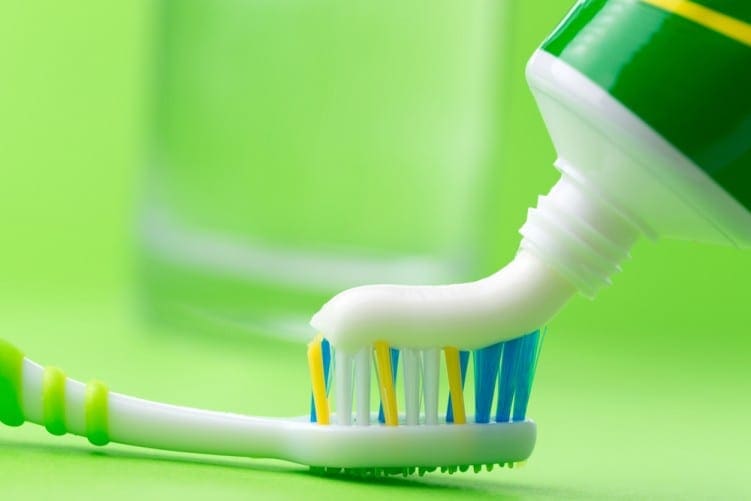
Desensitising toothpastes contain compounds that block sensation from reaching the nerve. The active ingredients-potassium nitrate and stannous fluoride-work by blocking the tiny tubes in exposed dentine. Most people notice improvement within two to three weeks of twice-daily use. Look for brands displaying the British Dental Association (BDA) Seal of Approval. Popular options include Sensodyne, Colgate Sensitive Pro Relief, and Aquafresh Sensitive.
Use Fluoride-Enriched Products
Fluoride strengthens enamel and blocks the pathways that transmit pain. Rinse with a fluoride mouthwash after brushing, or ask your dentist about prescription-strength fluoride toothpaste (5,000 ppm or higher). Your dentist can also apply a fluoride varnish directly to sensitive teeth during a check-up.
Adopt Gentle Brushing Habits
Use a soft-bristled electric toothbrush or manual brush. Brush in gentle, circular motions for exactly two minutes. Avoid scrubbing the gum line, which can erode gums further. Replace your toothbrush every three months. If you brush immediately after eating acidic foods, wait 30 minutes first-acid temporarily softens enamel, and brushing causes additional wear.
Reduce Acidic Food and Drink Consumption
Limit fizzy drinks, fruit juices, wine, and citrus fruits. If you consume these, use a straw to bypass your teeth, and rinse your mouth with water afterwards. Avoid holding acidic drinks in your mouth or swishing them around.
Stop Grinding Your Teeth
If you grind at night, a custom-made mouth guard (night guard) protects your teeth. Your dentist can fit you with a bespoke guard moulded to your teeth. Off-the-shelf guards work but are less comfortable and less effective. A professional guard costs £60-£150 privately, or you may access one through NHS dentistry (cost depends on your treatment band).
Practise Thorough Flossing
Daily flossing removes plaque and tartar from between teeth and below the gum line. Gum disease is a major driver of sensitivity, so flossing directly addresses the root cause. If traditional floss is difficult, try water flossers or interdental brushes.
Professional Sensitive Teeth Causes and Treatment Options
If at-home care doesn’t relieve pain after four to six weeks, your dentist can offer stronger treatments. Here’s a comparison of NHS and private options:
| Treatment | How It Works | Effectiveness | NHS Cost | Private Cost |
|---|---|---|---|---|
| Fluoride Varnish | High-strength fluoride painted onto sensitive teeth to seal exposed surfaces | 85-90% relief; lasts 3-6 months | Band 2 (£65) | £50-£100 per application |
| Gum Bonding / Resin Restoration | Tooth-coloured resin placed over exposed root surfaces to block sensation | Excellent; 5-10 years if maintained | Band 2 (£65) | £150-£300 per tooth |
| Gum Graft Surgery | Graft tissue from palate to cover receded root; surgical procedure | Excellent for severe recession; permanent | Usually not available (specialist referral may qualify) | £800-£1,500 per tooth |
| Root Canal Treatment | Removes the nerve from inside the tooth, eliminating all sensation | 100% effective for that tooth; reserved for severe cases | Band 3 (£306) | £400-£800 |
| Laser Treatment | Low-level laser seals exposed dentinal tubules; painless procedure | 70-80% relief; lasts 6-12 months; requires top-ups | Not widely available on NHS | £100-£300 per session |
Fluoride Varnish Application
This is the most common and cost-effective professional treatment. Your dentist applies a thick fluoride paste directly to sensitive teeth. It hardens into a protective layer that blocks pain signals. Results appear within hours, and relief lasts three to six months. Reapplication is simple and quick. On the NHS, this falls under Band 2 treatment (£65 for all necessary treatment in one course).
Resin Bonding (Gum Bonding)
For exposed root surfaces, tooth-coloured resin can be bonded directly to the sensitive area. This physically blocks the exposed dentine and looks natural. It lasts five to ten years with good care. Private costs range from £150-£300 per tooth, and it may be available on the NHS as Band 2 treatment depending on clinical need.
Gum Graft Surgery
Severe gum recession may require a surgical graft. Tissue is harvested from your palate and sutured over the receded area. Recovery takes two to three weeks. This is rarely available on the NHS but is highly effective long-term. Private costs are £800-£1,500 per tooth.
Root Canal Treatment
If sensitivity is extreme and other treatments fail, root canal removal (endodontic treatment) eliminates all sensation by removing the nerve. This is a last resort because it means the tooth no longer has blood supply and can become brittle over time. NHS cost is Band 3 (£306); private treatment costs £400-£800.
Our guide to gum disease treatment covers NHS and private gum disease treatment options, costs, and what to expect from specialist periodontal care.
When Should You See a Dentist?
Mild sensitivity often resolves with improved oral hygiene and desensitising toothpaste. However, see your dentist if:
- Pain affects only one or two teeth (may indicate decay or a cracked tooth)
- Sensitivity persists after four weeks of desensitising toothpaste use
- You have severe gum recession or loose teeth
- Pain is severe enough to limit eating or drinking
- You suspect teeth grinding or gum disease
- You notice visible decay, dark discolouration, or a broken edge
A dental check-up reveals the underlying cause and rules out serious problems like cavities or gum disease. Early intervention prevents complications and saves money in the long run.
NHS vs Private Dentistry for Sensitive Teeth
The NHS provides excellent value for diagnosing and treating tooth sensitivity. A regular check-up (Band 1, £24.50) identifies the cause. Treatment options fall into Band 2 (£65) for most procedures, including fluoride varnish and resin bonding. Only complex cases or root canals reach Band 3 (£306).
Private dentistry offers faster appointments, more cosmetic options, and sometimes advanced treatments like laser therapy. However, expect to pay two to three times more. For a straightforward case, NHS care is cost-effective. For complex gum recession or cosmetic concerns, private specialists may offer better outcomes.
If you’re not registered with an NHS dentist, visit NHS.uk to find one in your area. Most practices offer urgent appointments for acute pain within 24-48 hours.
Prevention: Avoiding Sensitive Teeth in the Future
Once you’ve experienced sensitivity, prevention is vital. Follow these steps to protect your teeth long-term:
- Brush twice daily with a soft-bristled brush and fluoride toothpaste
- Floss daily to prevent gum disease
- Limit acidic foods and drinks; use a straw when consuming them
- Wear a night guard if you grind your teeth
- Have regular dental check-ups every six to twelve months
- Address gum disease early with professional cleaning
- Avoid whitening products, which can increase sensitivity
Young adults often assume tooth sensitivity is distant. By adopting these habits now, you’ll reduce sensitivity risk as you age.
For more on managing oral health in later life, read or explore . If you suspect a cracked or broken tooth, provides next steps.
Find out more in our complete guide to NHS dental charges 2026, which explains exactly what NHS Band 1, 2 and 3 dental charges cover and who qualifies for free treatment.
Frequently Asked Questions
Is tooth sensitivity a normal part of ageing after 50, or does it always mean something is wrong?
Some increase in sensitivity is common as you age – your gums naturally recede over time, exposing more of the tooth root, which is more sensitive than the crown. However, new or sudden sensitivity should be checked by a dentist, as it can also signal decay, damage, or gum disease.
Can using a hard toothbrush or aggressive brushing make tooth sensitivity worse?
Yes – brushing too forcefully or using a hard toothbrush can wear down enamel and cause gums to recede, both of which increase sensitivity. Switch to a soft or medium-bristle brush and use gentle, circular motions to protect your teeth and gums.
Are acidic foods and drinks a major cause of sensitive teeth?
Acidic foods and drinks such as citrus fruits, tomato sauce, tea, and fizzy drinks can gradually erode tooth enamel and expose the softer dentine underneath, increasing sensitivity. You do not need to avoid them completely, but limit consumption and rinse your mouth with water afterwards.
Will using sensitive toothpaste eventually stop my tooth sensitivity, or is it just a temporary fix?
Sensitive toothpaste helps by blocking sensation from the tooth surface to the nerve, but it requires regular use – often several weeks before you notice improvement. It is an effective long-term management tool, but does not address the underlying cause of sensitivity.
Key Takeaways
- Sensitive teeth causes include enamel erosion, gum recession, teeth grinding, and gum disease.
- Desensitising toothpaste with potassium nitrate or stannous fluoride provides relief for most people within two to three weeks.
- Professional fluoride varnish (NHS Band 2, £65) offers 85-90% relief lasting three to six months.
- Gentle brushing with a soft-bristled brush, daily flossing, and limiting acidic foods prevent further damage.
- See a dentist if sensitivity persists after four weeks or affects only one or two teeth (may indicate decay).
- NHS dental care is cost-effective for diagnosis and treatment; private options offer faster access and advanced procedures.
Find out more in our complete guide to find an NHS dentist, which shows you how to find an NHS dentist near you, what to do if no one is accepting patients, and your rights.
What Should You Do Now?
Start by switching to a BDA-approved desensitising toothpaste and adopting gentler brushing habits. If pain persists after three weeks, book a dental check-up to rule out underlying problems. Your dentist can prescribe stronger treatments and give you personalised advice.
Tooth sensitivity is highly treatable. Don’t accept discomfort as a normal part of ageing. With the right approach, you can enjoy hot and cold foods again.
Further Reading: For evidence-based information on oral health, visit the Oral Health Foundation, NICE guidance on dental care, and NHS.uk sensitive teeth section.
Disclaimer
This article is for information only and should not replace professional dental advice. Always consult your dentist or a qualified dental professional before starting new treatments or making changes to your oral care routine. If you experience severe or persistent tooth pain, seek urgent dental care.