

How to Stop Smoking: 6 Practical Tips for Over-50s
Whether you’ve been a smoker for decades or recently picked up the habit, quitting is one of the most powerful health decisions you can make at any age. For people over 50, stopping smoking can dramatically reduce your risk of heart disease, stroke, lung cancer, and chronic obstructive pulmonary disease (COPD). According to Cancer Research UK, smoking causes around 15 different types of cancer, so stopping at any age reduces that risk substantially. The good news? It’s never too late to quit.
Many people struggle with smoking cessation because they treat it purely as a matter of willpower. In fact, smoking is a powerful addiction. Your brain, body, and daily routines all reinforce the habit. The NHS recognises this and offers free, evidence-based support to help you stop smoking-including medication, counselling, and behavioural strategies.
In this guide, we’ll share six practical, proven tips to help you quit smoking for good. Combined with professional support and the right tools, these strategies can help you succeed where previous attempts may have failed.
Dr Chris Steele’s Pioneering Work on Smoking Cessation
Dr Chris Steele has done extensive, ground-breaking work on smoking cessation over many years. It all started when one of his patients came to him and asked for help:
“Doctor, as you know I’ve recently had a heart attack and the cardiologist told me I must give up smoking. I’ve tried and tried but I just can’t give up cigarettes for more than a couple of days. Is there anything you can do to help me?”
Most of his medical colleagues, though aware that smoking was causing a lot of illness, were simply telling their patients to give up – without offering any more practical help in doing so. Smoking is clearly more than a habit; it is an addiction. People were expected to stop on their doctor’s advice yet experienced severe withdrawal effects when they tried.
The six tips below draw on Dr Steele’s experience and the practical, evidence-based strategies he has championed, alongside up-to-date NHS guidance. They are designed to give you genuine, workable support – not just a stern instruction to quit.
1. Keep a Smoking Diary to Identify Your Triggers
One of the most powerful tools for quitting is understanding why you smoke. Most smokers don’t light up randomly-they smoke in response to specific situations, emotions, or times of day.
Start a simple diary and record:
- What time you smoke
- What you were doing when the urge hit
- How you were feeling (stressed, bored, sad, happy, tired)
- What happened after you smoked (did it help?)
After a week or two, patterns will emerge. You might notice you always reach for a cigarette with your morning coffee, during a stressful work call, after an argument, or when socialising with friends who smoke. These are your trigger situations.
Once you’ve identified triggers, you can plan alternative responses. If stress is a trigger, practise deep breathing or a short walk. If boredom is the issue, have a book, puzzle, or hobby ready. Understanding your triggers takes away the mystery and puts you back in control.
2. Change Your Daily Routine to Avoid Temptation
Habits are closely linked to routines. If you’ve smoked with your morning coffee for 30 years, your brain automatically expects a cigarette at that moment. Breaking this association is crucial.
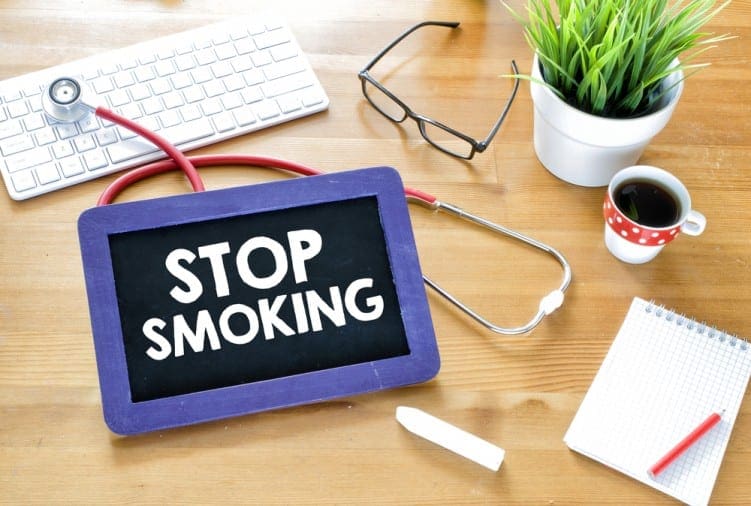
Here are simple ways to disrupt the habit loop:
- Change your morning ritual: If you usually have coffee and a cigarette, switch to orange juice instead, or drink your coffee in a different room.
- Alter your break routine: Instead of stepping outside for a smoke, take a walk around the block, do some stretching, or chat with a colleague.
- Modify your commute: If you smoke during your drive, try listening to a different radio station, an audiobook, or a podcast you enjoy.
- Change social routines: If you always smoke after dinner, suggest a family walk, start a new hobby, or plan a different activity.
These small changes interrupt the automatic connection between the situation and the cigarette. After a few weeks, the new routine becomes automatic instead.
3. Use Nicotine Replacement Therapy (NRT) to Manage Cravings
Nicotine is highly addictive. When you quit smoking, your body experiences physical withdrawal symptoms: irritability, anxiety, difficulty concentrating, and intense cravings. This is why willpower alone often fails.
The NHS funds free nicotine replacement therapy (NRT) to help. NRT delivers nicotine without the harmful chemicals in cigarettes, allowing your body to adjust gradually while you break the smoking habit.
Types of NRT Available on the NHS
| NRT Type | How It Works | Best For |
|---|---|---|
| Nicotine Patches | Delivers steady nicotine through the skin for 16-24 hours | Consistent baseline nicotine; worn once daily or at night |
| Nicotine Gum | Chew slowly to release nicotine; absorbed through the mouth | Handling the habit; need for something to do with your hands |
| Nicotine Lozenges | Dissolve slowly in the mouth for 20-30 minutes | Discrete use; situations where chewing isn’t convenient |
| Nicotine Nasal Spray | Fast-acting; absorbed through nasal tissue | Smokers with very intense cravings; rapid relief needed |
| Nicotine Inhalator | Mimics smoking action; nicotine absorbed through mouth and throat | Behavioural habit element; hand-to-mouth routine needed |
Most people benefit from combining two types-for example, a patch for baseline support plus gum or lozenges for sudden cravings. NICE guidance on tobacco treatment recommends combination NRT as more effective than single-product use. Speak to your GP or pharmacist about which combination is right for you. NRT is most effective when combined with behavioural support.
4. Tell Your Family and Friends-and Enlist Their Support
Quitting smoking is hard, and you don’t have to do it alone. Research shows that social support significantly increases success rates.
Let your loved ones know:
- Your quit date
- What you’re trying to achieve and why
- How they can help (e.g., not smoking around you, offering encouragement, keeping temptations out of the house)
- What you need when cravings hit (a distraction, someone to talk to, a walk together)
If you live with other smokers, ask them not to smoke indoors and to keep cigarettes out of sight. If friends regularly smoke around you, suggest alternative activities or let them know you’ll step away during their smoke breaks.
A supportive family creates an environment that makes quitting easier. And when you reach milestones-a smoke-free week, a month, a year-celebrate them together. This positive reinforcement keeps you motivated.
5. Use NHS Stop Smoking Services and Professional Support
You have free, evidence-based support available through the NHS. Don’t rely on willpower alone-professional help genuinely works.
What the NHS Offers
- One-to-one behavioural support: A trained stop-smoking adviser helps you understand your habits, plan strategies, and manage cravings.
- Group support: Group sessions provide motivation, tips from others trying to quit, and shared accountability.
- Combination therapy: NRT plus medication (such as varenicline or bupropion) tailored to your needs.
- Telephone quitlines: Call NHS Smoke-Free or use their online service if in-person support isn’t convenient.
Contact your GP surgery to ask for a referral to your local stop-smoking service. Many areas also offer self-referral options, so you don’t need to book a GP appointment first. Our overview of reducing the risks of hypertension explains why quitting smoking is one of the single most effective changes you can make for your long-term heart health.
The NHS also provides the NHS Smoke-Free website, which has guides, videos, quit trackers, and a forum where you can connect with others quitting.
6. Set a Quit Date and Focus Entirely on Stopping Smoking
Choosing a specific quit date is psychologically powerful. It gives your brain and body time to prepare. Research shows that planned quits succeed more often than spontaneous ones.
Pick a date within the next 2-4 weeks. Give yourself time to arrange NRT, book an adviser appointment, and tell people who matter. Mark it on your calendar. Think of it as the first day of your new, smoke-free life.
Focus on One Goal at a Time
It’s tempting to overhaul your entire life when quitting-diet, exercise, finances, everything. Don’t. Quitting smoking demands enormous mental and physical energy. Adding extra goals divides your focus and sets you up for failure.
Make stopping smoking your only resolution. Once you’re confident in your smoke-free status (typically after 3-6 months), then you can tackle other health goals like exercise or weight loss.
If You Lapse, Don’t Give Up
Most people who successfully quit have had slip-ups. If you smoke a cigarette after quitting, don’t beat yourself up or assume you’ve failed. This is called a lapse, not a relapse.
The key difference: a lapse is a single cigarette; a relapse is returning to regular smoking. Treat a lapse as a learning moment. Ask yourself what triggered it, plan how you’ll handle that situation next time, and get straight back on track. People who treat lapses this way go on to quit for good.
Why Quitting Matters for Over-50s
It’s never too late to benefit from stopping smoking. Even if you’ve smoked for 40 or 50 years, quitting dramatically improves your health:
- Within 20 minutes: Your heart rate and blood pressure drop.
- Within 8 hours: Oxygen levels in your blood normalise.
- Within 48 hours: Your sense of smell and taste improve.
- Within 1 year: Your risk of heart disease drops by half.
- Within 10 years: Your lung cancer risk drops to roughly half that of a smoker.
For people over 50, these changes can mean the difference between managing a chronic condition and living independently, between hospital visits and years of active, healthy life. For more on how stopping smoking fits into a wider wellness plan, read our healthy living guide for longer lives.
Key Takeaways
- Keep a diary to identify your smoking triggers (stress, boredom, social situations, routines).
- Break the habit loop by changing daily routines associated with smoking.
- Use NHS-funded nicotine replacement therapy-patches, gum, lozenges, or inhalers-to manage physical cravings.
- Tell family and friends so they can support you and remove temptations.
- Book a free NHS stop-smoking adviser appointment; professional support significantly increases your chances of success.
- Set a specific quit date, focus entirely on stopping smoking, and don’t worry if you lapse-just get back on track.
Ready to Quit Smoking?
Your GP or local pharmacist can refer you to free NHS stop-smoking support. For extra motivation, read our piece on 10 surprising facts about quitting smoking and our guide to lowering blood pressure naturally, which covers another lifestyle change that often goes hand in hand with quitting.
You can also contact NHS Smoke-Free directly or visit www.nhs.uk/smokefree for immediate advice and tools.
For more health advice tailored to over-50s, join our Facebook community where we share weekly tips, NHS updates, and reader stories.
Disclaimer: This article is for information only. Always consult your GP or a qualified healthcare professional before making health decisions, including decisions about smoking cessation medication or nicotine replacement therapy.